Landscape Metropolis – Ferrara Play & Go

2021
Ferrara Play&Go is a sustainable mobility campaign, within the Landscape Metropolis project, aimed at making the use of sustainable means of transportation fun and pleasant. In this project, I evaluated the users’ perceived experience of the Play& Go smartphone app and the campaign’s impact on the users’ mobility habits.

2020/2021
The project “Kids Go Green – Ripartiamo insieme!” aimed to support the schools of Trentino province in managing the post-COVID emergency. The project had two main goals:
- Enriching the catalogue by adding new virtual journeys about sustainable development, digital citizenship, and green professions
- Offering a continuous and engaging learning experience by designing a digital platform adaptable to different teaching modalities so that the students could participate in the virtual journeys and activities both from school and from home
Method: co-design and brainstorming with sustainability experts and educators
Results: 3 new virtual journeys, many new features in the interface
Augmented Communication foR Outdoor Sports (ACROSS)
October 2018 – June 2020, “Young Researchers” grant by Caritro Foundation.


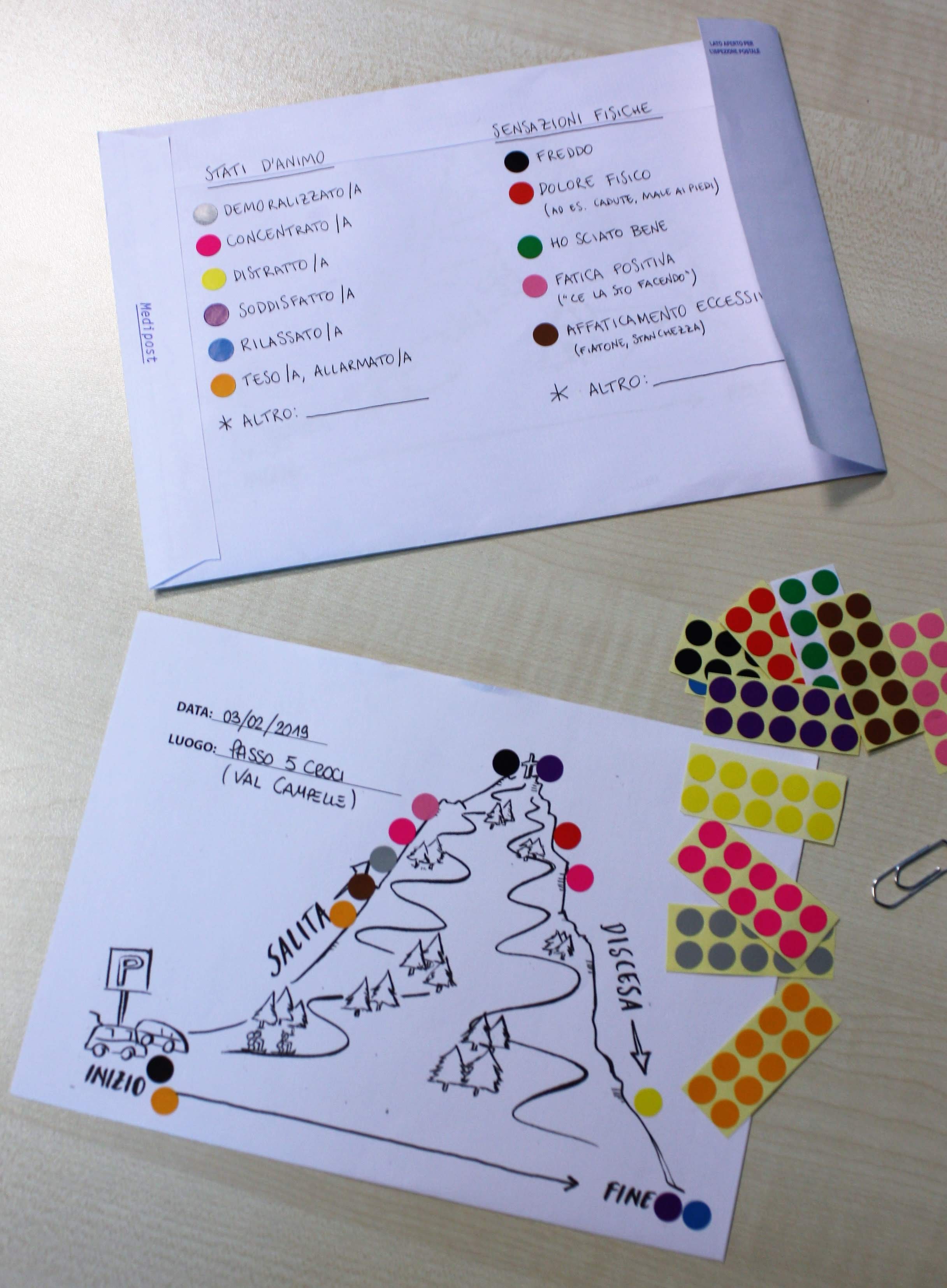
GOAL
Support the teaching and learning of outdoor mountain sports by augmenting the communication between instructors and trainees. In particular, I investigated the group dynamics of backcountry skiers and cavers.
METHODS
Semi-structured interviews, observations of theoretical lessons, and cultural probes.
Paper Pocket Pets
June 2018, UBI Summer School, Oulu (Finland)


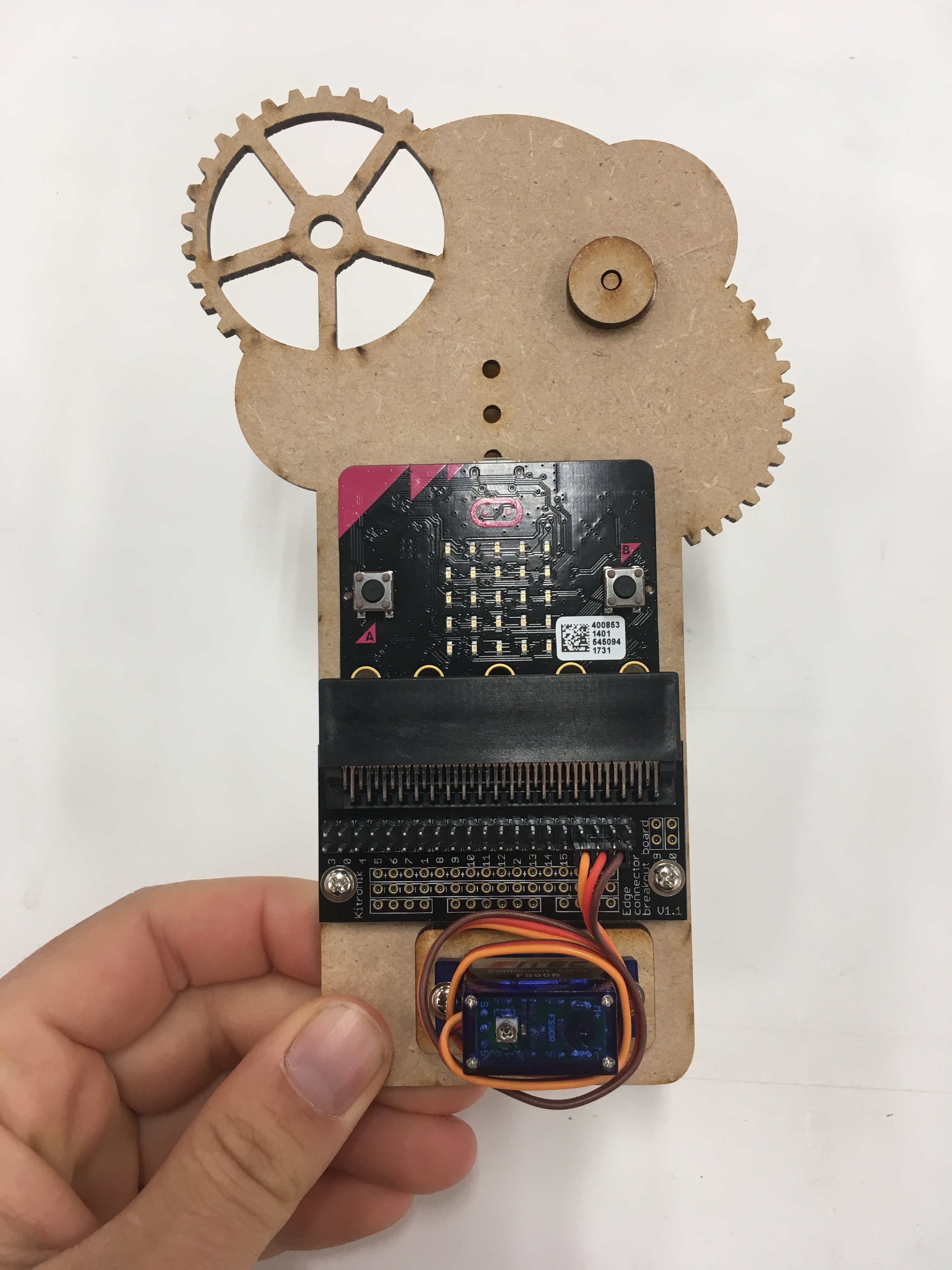
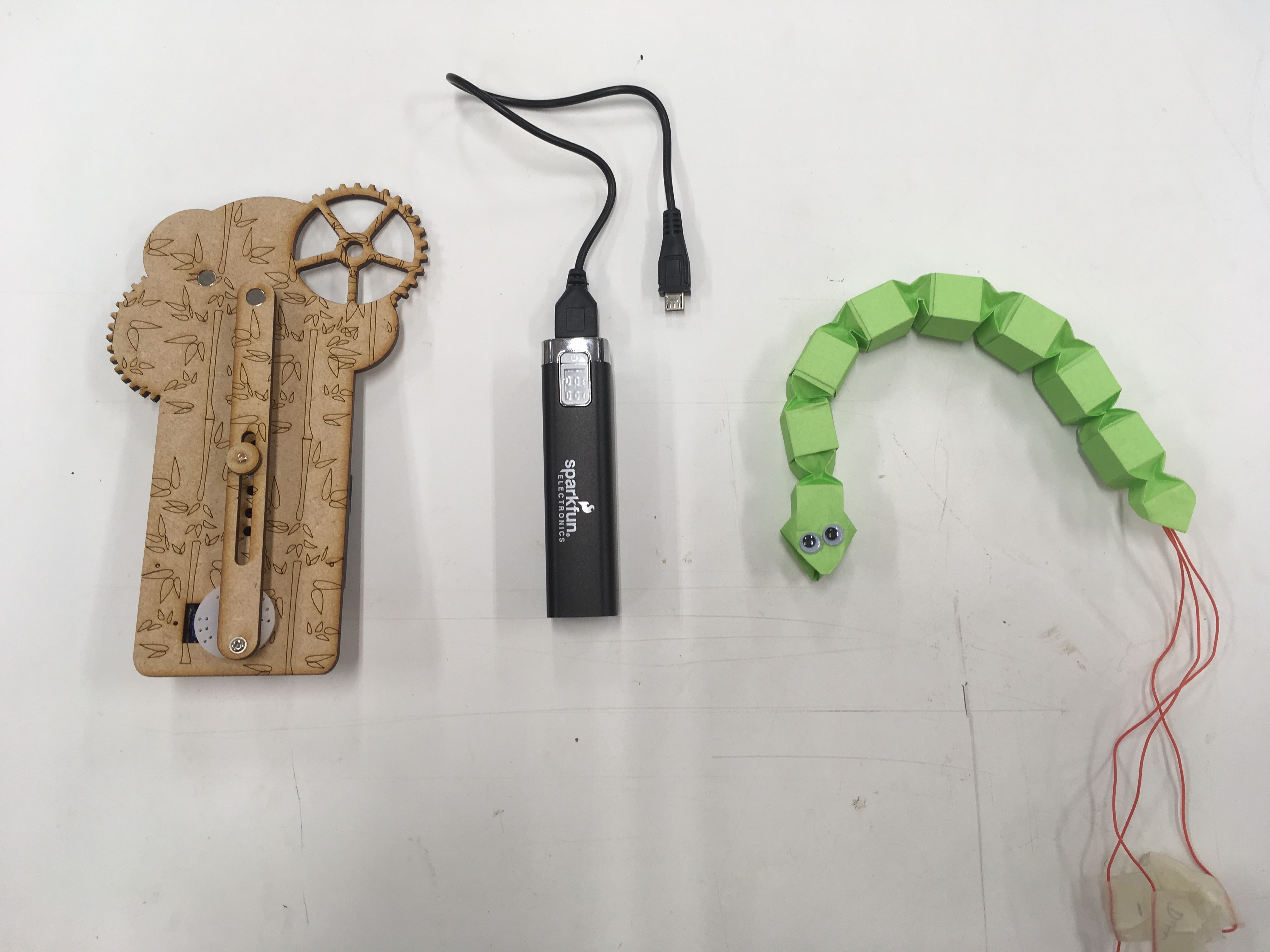

GOAL
Design interactive toys that children could build by themselves and personalize. Paper Pocket Pets are wearable interactive toys made with origami paper.
METHODS
Making and physical computing through origami, Paper mechatronics, Microbit programming through Scratch, laser cutting.
Wearables for learning to climb
2013-2018, PhD
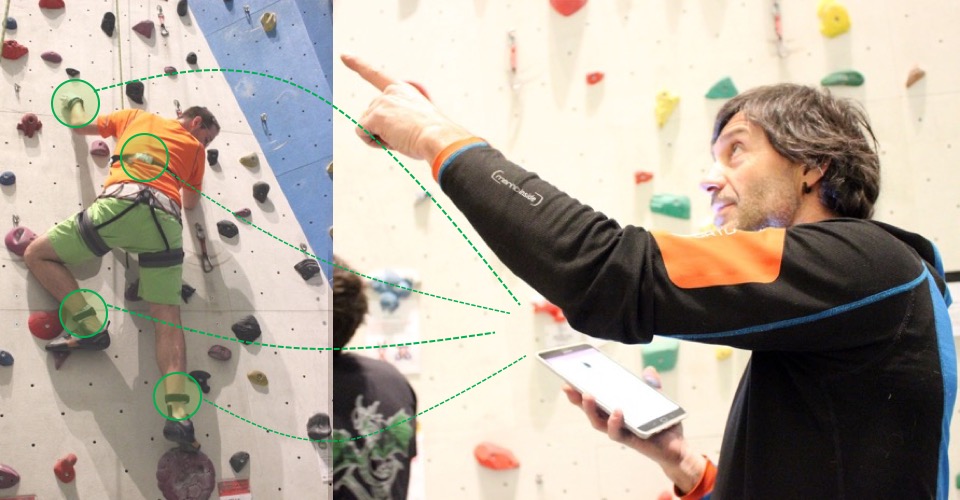

GOAL
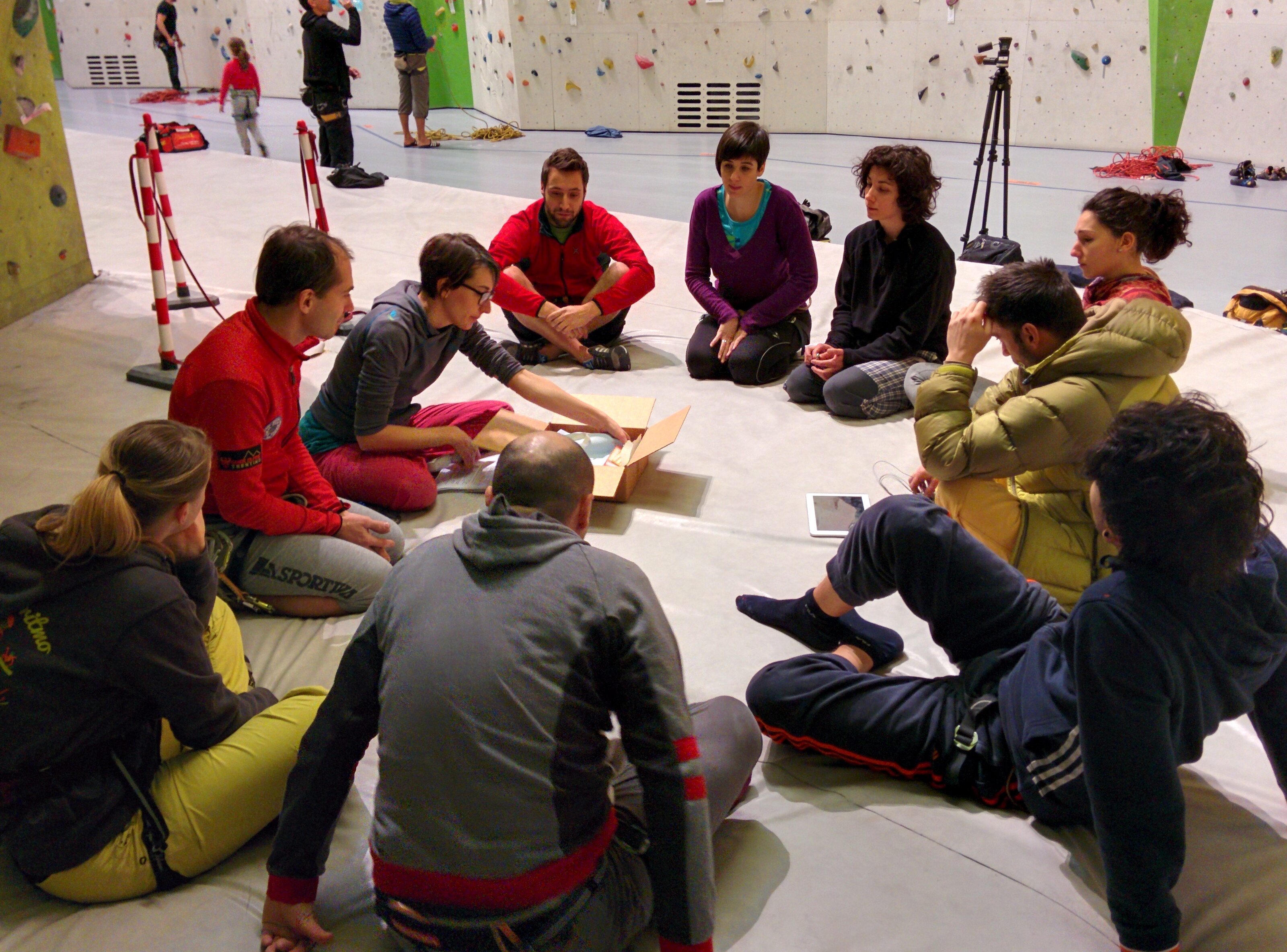
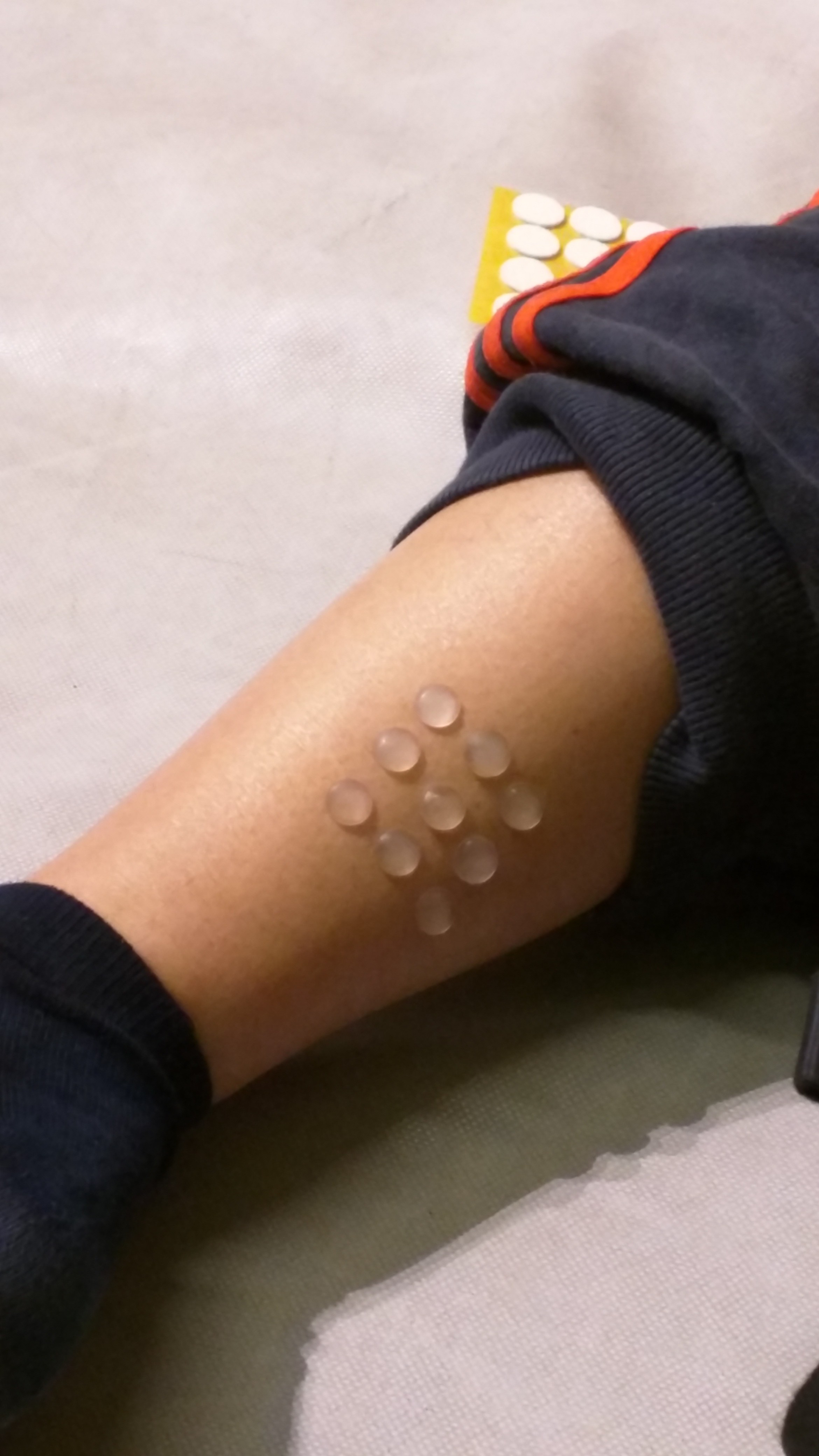
Investigate the use of haptic feedback for learning sports. As a case study, I considered rock climbing, an extreme sport that requires both a high level of self-confidence and control over motor skills. My goal was to design a useful, acceptable and desirable device for the community of climbers and, at a broader level, to identify a conceptual framework for the design of wearable devices for sports.
METHODS
Semi-structured interviews, contextual inquiry, co-design workshops, bodystorming, UI design, prototype design, evaluation in the wild.
RESULTS
A set of vibrating wearables to be worn by the learning climber on specific body parts. Every time the instructor wants to recall the climber’s attention on a body part, s/he can send vibrations to a specific wearable through a tablet interface. The evaluation of the system provided good results in terms of acceptability, flexibility, and usefulness of the prototype.
Per.Te.Noi
2012-2013


GOAL
Design an interface that would allow remote collaborative storytelling between pairs of teenagers who did not speak the same language. The system offered a library of background images, characters, and sentences that the users had to use to compose a meaningful story. Evaluation conducted in collaboration with the University of Haifa, Israel.
METHODS
Formative evaluation, wireframing, UI design, system evaluation.
Per.Te.Me
2012-2013


GOAL
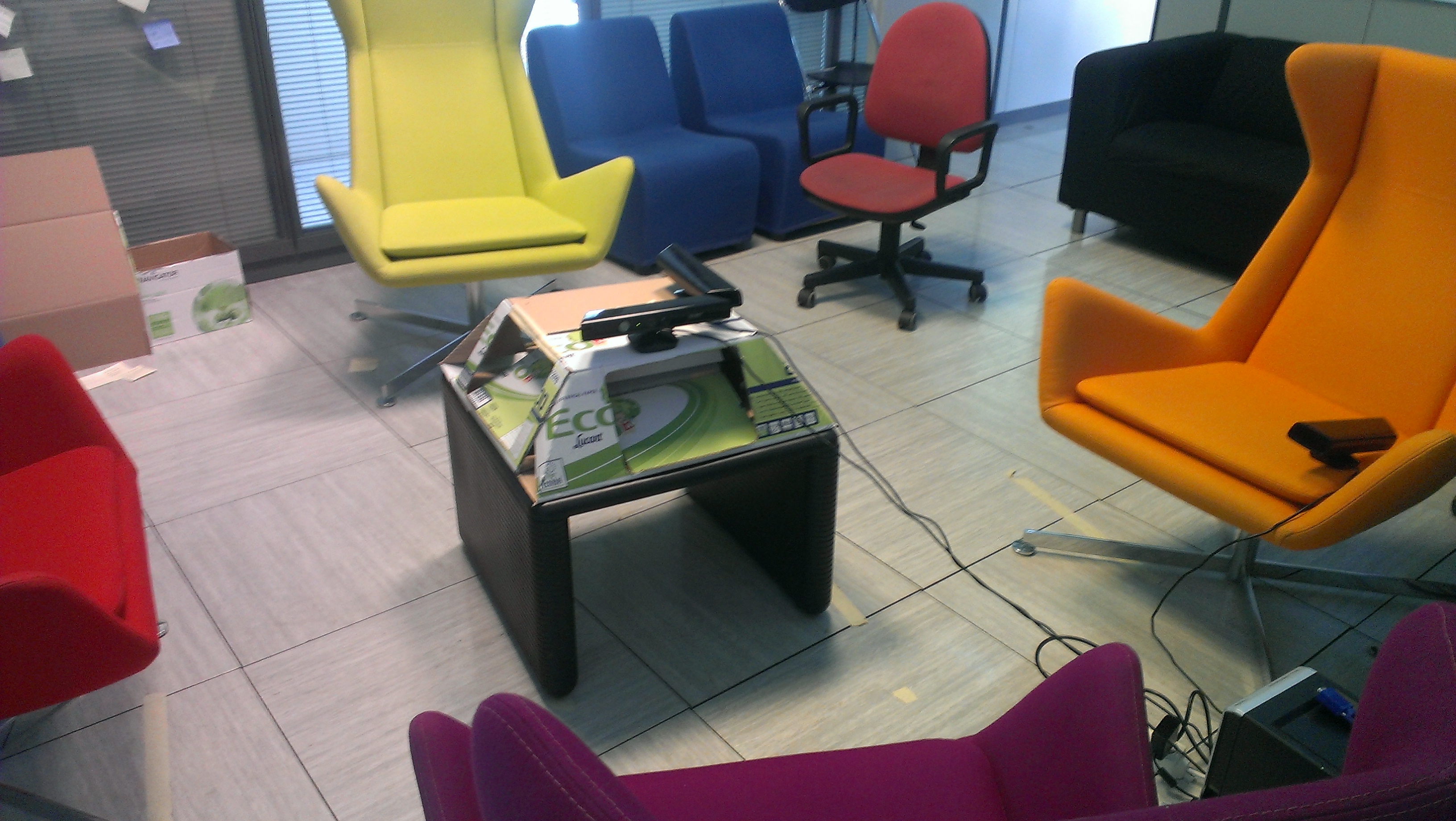
Design a system able to sense users’ participation in a conversation and balance it through subtle visual nudges. My task in this project was to design the case to contain the technology, i.e. 4 Kinect cameras and 4 tablets, and support the system evaluation
METHODS
Cardboard and foam prototyping, observations.
iTheatre
2010
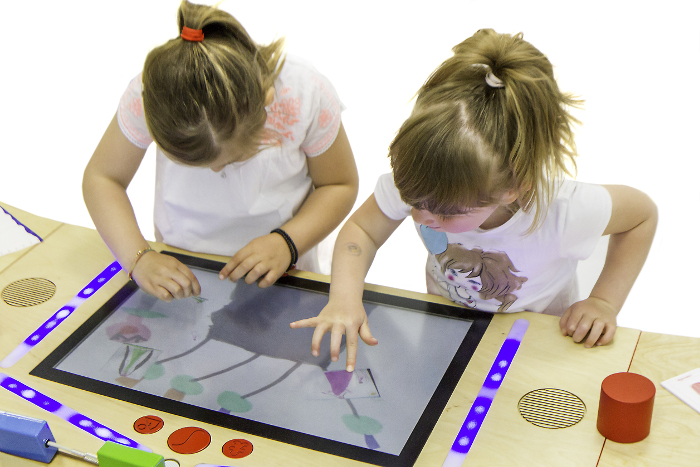
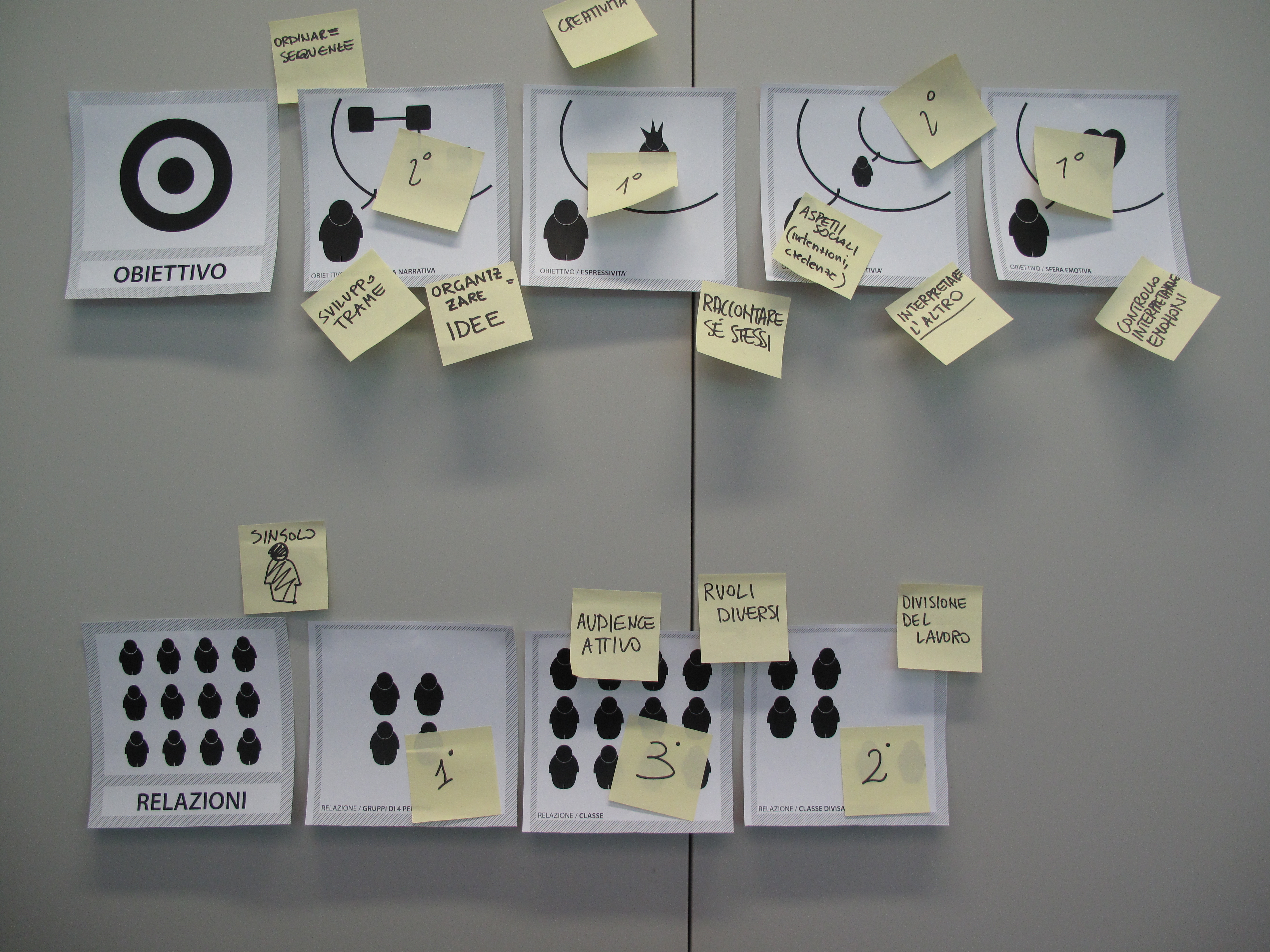
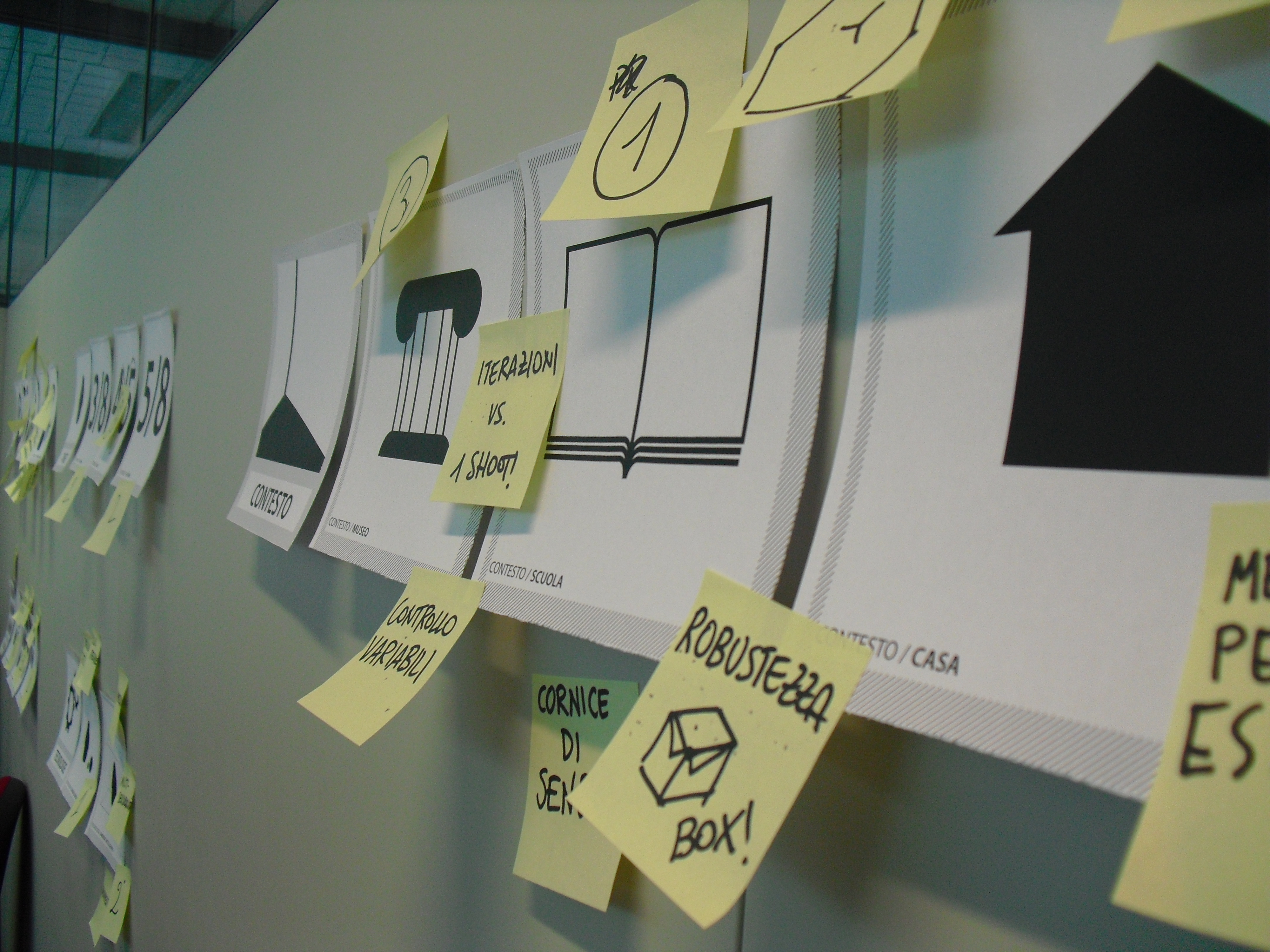
GOAL: Design a system capable to support the development of narrative skills in children in pre-school age through tangible interaction.
METHODS: Semi-structured interviews, Observations of museum activities dedicated to children, brainstormings.
RESULTS: System and user requirements for a interactive and tangible tabletop
Internet of services
2009
GOAL
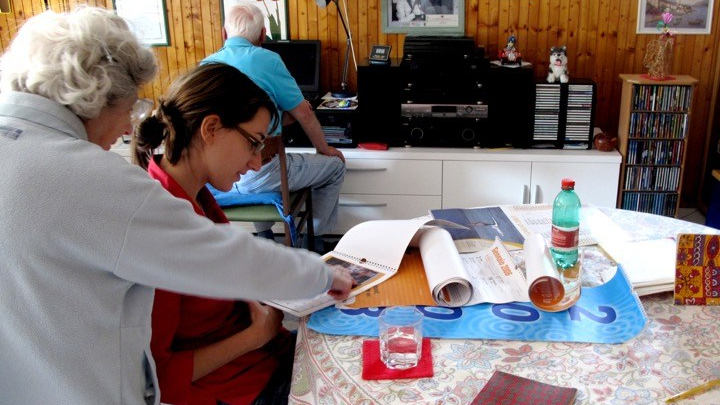
Understand how do older adults use time-management systems such as calendars, diaries, organizers, etc. to organize themselves, keep track of the things they do, and remember their appointments.
METHODS
Contextual Inquiry, Semi-structured interviews, analysed through Grounded Theory.
RESULTS
Definition of design opportunities for time-management systems addressed to older adults.
 Eleonora Mencarini